A drop in libido is common, and in most cases it's identifiable — and often reversible — once you understand what's actually driving it. Here's a breakdown of the most-cited causes and what tends to help.
Hormonal and Physical Causes
Testosterone is the primary hormone behind male sex drive, and it naturally declines by roughly 1% per year after age 30 for most men — a slow, cumulative effect rather than a sudden change. Chronic health conditions can also play a role, including diabetes, high blood pressure, coronary artery disease, thyroid disorders, and chronic kidney disease.
Psychological Factors
Depression, anxiety, chronic stress, and relationship problems are frequently cited as leading contributors to low libido — sometimes more significant than any single physical cause. It's also worth knowing that some medications used to treat depression and anxiety can themselves lower libido as a side effect.
Lifestyle and Medication Factors
- Sleep quality — poor sleep is consistently linked to lower testosterone and reduced sex drive.
- Metabolic health — weight, blood sugar control, and cardiovascular fitness all influence hormone levels and blood flow.
- Medications — certain blood pressure medications, antidepressants, and prostate cancer treatments can lower libido as a known side effect.
- Alcohol and substance use — heavy or frequent use can suppress testosterone and sexual function over time.
When to See a Doctor
Because so many causes overlap, a good first step is basic bloodwork (including testosterone levels) and an honest conversation with a healthcare provider about medications, sleep, stress, and lifestyle. Low libido is common, and most causes are identifiable with fairly routine testing — it's rarely something you have to just live with or guess about.
Where Supplements Fit In
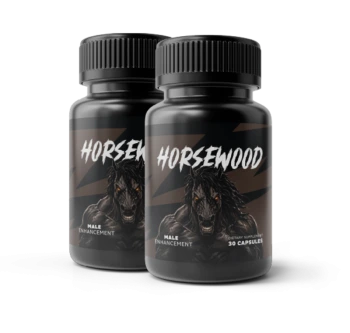
Herbal ingredients like Tongkat Ali, Saw Palmetto, and Boron are studied for their potential supporting role in testosterone and libido, and some men use formulas like HorseWood alongside — not instead of — addressing sleep, stress, and underlying health conditions. Supplements are one piece of a bigger picture, not a substitute for medical evaluation when something feels persistently off.
Explore HorseWood's Ingredient Approach
See the seven botanicals and minerals formulated to support male vitality.
View IngredientsSources: Cleveland Clinic, Mayo Clinic Health System, Merck Manual.