Persistent, unexplained fatigue is one of the most common complaints men bring up with their doctors — and while a supplement can be part of a routine, the biggest levers for daily energy are still sleep, stress management, and diet. Here's what the research actually supports.
1. Sleep Duration and Consistency
The National Sleep Foundation and CDC both recommend 7–9 hours of sleep per night for adults, and research consistently links both short sleep duration and inconsistent sleep timing to daytime fatigue, reduced testosterone, and impaired recovery from physical activity. Going to bed and waking at consistent times — even on weekends — measurably improves sleep quality for most people.
2. Managing Chronic Stress
Chronically elevated cortisol from ongoing stress disrupts sleep architecture and is associated with persistent fatigue independent of how many hours you actually sleep. Evidence-based stress-reduction approaches include regular physical activity, structured breathing exercises, and in some cases, adaptogen-style botanicals like Tongkat Ali, which has research showing a measurable effect on cortisol in moderately stressed adults.
A practical starting point: even 10–15 minutes of daily walking has been shown in multiple studies to meaningfully reduce perceived stress and improve mood — a low-cost, evidence-backed first step.
3. Diet Patterns That Support Steady Energy
Diets high in refined sugar and simple carbohydrates are associated with energy spikes followed by crashes, while diets with adequate protein, fiber, and healthy fats support more stable blood sugar and steadier energy throughout the day. Adequate hydration also matters more than people expect — even mild dehydration has been linked to measurable fatigue and reduced cognitive performance in research settings.
4. Physical Activity (Yes, Even When You're Tired)
It seems counterintuitive, but regular moderate exercise is one of the most consistently research-supported ways to reduce fatigue and improve energy levels over time — more effective in several studies than rest alone for people with persistent low-grade fatigue not caused by a specific medical condition.
5. When to See a Doctor
Persistent fatigue can also be a sign of underlying issues like low testosterone, thyroid conditions, sleep apnea, anemia, or depression. If fatigue is severe, sudden, or accompanied by other symptoms, it's worth ruling out a medical cause with your healthcare provider before assuming it's simply lifestyle-related.
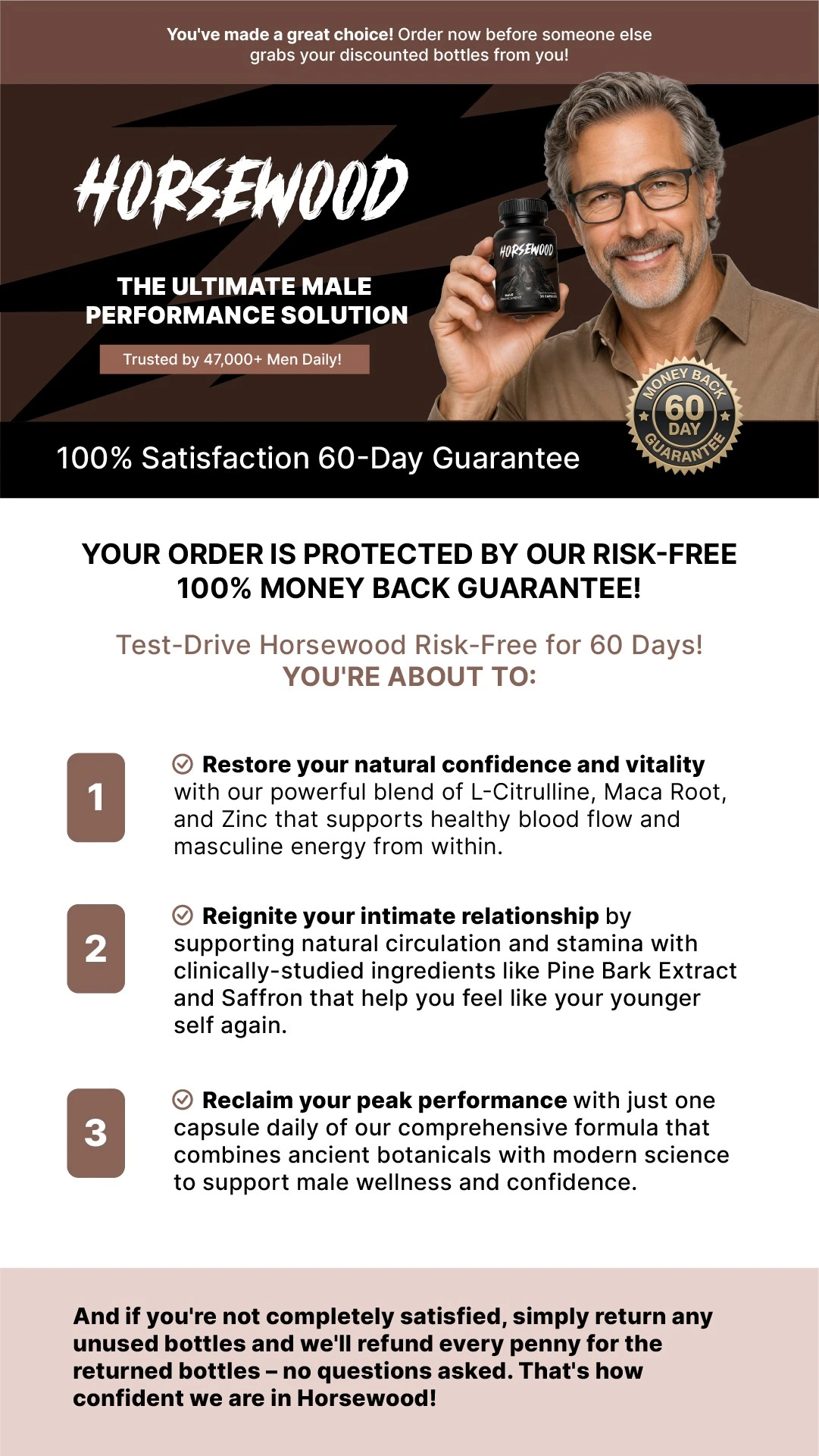
Pair These Habits With HorseWood
A daily capsule combining 7 traditional ingredients for energy and recovery support.
See HorseWood Pricing & AvailabilityThe Bottom Line
Sleep consistency, stress management, and diet quality are the biggest, best-evidenced levers for daily energy. A formulated supplement like HorseWood can be a reasonable complement to those habits — not a replacement for them.